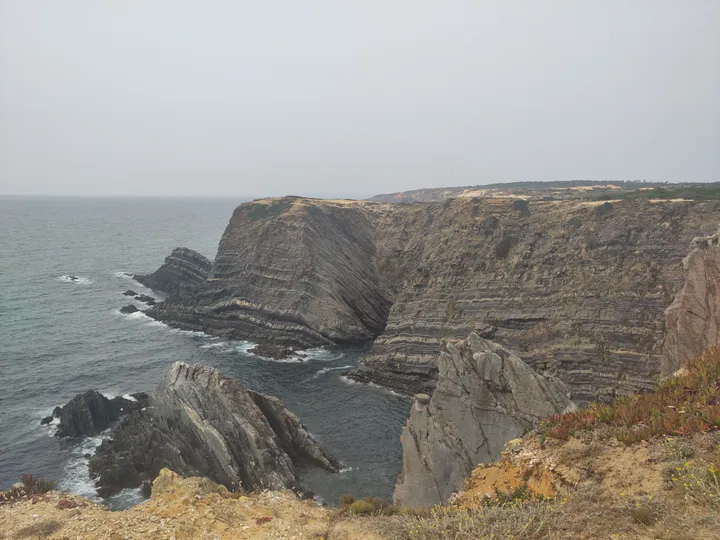
Cévennes Road Trip: 7-Day Itinerary, Tips and Best Campsites

Introduction: wild nature and picturesque villages
On the southern edge of the Massif Central, overlooking the plains of Languedoc, the Cévennes are a perfect playground for anyone who loves nature, culture and freedom. This road trip through deep valleys, panoramic ridges and medieval villages is an invitation to slow down, look around and soak up a region that is still spared from mass tourism.
Far from the highways and big cities, the winding roads of the Cévennes reveal a wild land full of contrasts. The experience becomes even more immersive when you choose to sleep at campsites, as close to the elements as possible, and get back to a welcome simplicity.
Why choose the Cévennes for a road trip?
A UNESCO-listed landscape
Cévennes National Park is one of the few in Europe where people still live inside the protected area. This unique status gives it a fascinating balance between living culture and environmental protection. Designated a Biosphere Reserve, and part of the UNESCO World Heritage site recognizing the Causses and Cévennes as a cultural landscape of agro-pastoralism, this land is both wild and shaped by people.
The scenery is spectacular: steep-sided valleys, deep forests, arid limestone plateaus (the causses) and vast windswept uplands. It is perfect for a road trip that is both contemplative and active.
Rich nature and varied landscapes
In just a few miles, you go from lush chestnut groves to the rocky chaos of the Causse Méjean. The Tarn and Jonte gorges offer dizzying viewpoints, while Mont Aigoual proudly towers over the south of the range.
This variety makes every stop unique: you never tire of the changing scenery, or of the many chances to go hiking, swim in a river or stop for something tasty at local farms and markets.

Planning your Cévennes road trip
When is the best time to go?
Spring (May–June) and early fall (September–October) are the ideal times. Temperatures are mild, nature is at its best and the roads are quieter. In summer, the region is still pleasant, but some of the best-known sites can get crowded and it can be quite hot down in the valleys.
Nights can be chilly at higher elevations, even in summer, so pack warm clothes for your evenings at the campsite.
Essential gear for a camping road trip
A road trip in the Cévennes promises a stay right in the middle of nature. To make the most of it, you had better be well equipped. Here are the essentials to have on board:
- Tent or camper van: depending on how you travel, make sure your shelter is well insulated and suited to weather that can change quickly.
- Sleeping pad, sleeping bag and pillow: for a good, restful night after a day of hiking.
- Camp stove, cookware and cooler: cooking for yourself keeps you independent and lets you enjoy the local produce you buy at the markets.
- Headlamp/flashlight and power bank: campsites out in nature do not always have much lighting or many outlets.
- IGN maps (France's official topographic maps) or an offline GPS app: some parts of the Cévennes have very little cell coverage, so it is wise to have a backup way to find your way.
- Technical clothing: suited to hiking, the occasional rain and cool nights.
- Bags to sort your trash: to keep your environmental impact to a minimum.
Packing your gear carefully means more comfort and more independence on the road.
Suggested 5 to 7-day Cévennes itinerary
Days 1–2: Alès, the gateway to the Cévennes
Alès, often nicknamed "the capital of the Cévennes", is the ideal starting point. Take a stroll through its historic center and visit Fort Vauban. As you leave town, the roads quickly climb toward the first mountains.
Head for the Col d'Uglas or the area around Saint-Jean-du-Pin for a first night out in nature. The chestnut forests and little streams create a soothing atmosphere, perfect for easing into the trip.
Day 3: Florac and the Tarn Gorges

Heading northwest up the valleys, you reach Florac, a little gem on the banks of the Tarnon. Wander its cobbled lanes and discover its castle and craft market. From Florac, you can quickly get to the Gorges du Tarn (Tarn Gorges), impressive limestone cliffs with the emerald river winding between them.
It is also an ideal base for an outing up onto the Causse Méjean, or for paddling down the gorges by canoe if the weather allows. The contrast between the arid heights and the lush gorge floors is striking.
Day 4: Mont Aigoual and its panoramic views

Rising to 1,567 meters (5,141 feet), Mont Aigoual offers a spectacular 360° view over the Cévennes and the Causses and, on a clear day, all the way to the Mediterranean and the Alps. The road up is a pure joy for anyone who loves scenic drives: wooded hairpin bends, viewpoints and traditional hamlets line the way.
Once at the top, do not miss the weather observatory, still in operation, which hosts an interactive exhibition about climate. Many hiking trails start from the summit, suited to all levels.
After a day spent flirting with the clouds, head back down for a quiet night surrounded by fir trees and meadows.
Day 5: Le Vigan and the hilltop villages
Slowly make your way south toward Le Vigan, a charming small town in the heart of the Arre valley. This stage brings a more Mediterranean feel, with olive trees, dry-stone walls and rounded clay tile roofs.
Along the way, stop in hilltop villages such as Avèze, Mandagout or Mars. They are often overlooked, but they reveal superb viewpoints and beautifully preserved old buildings. The Le Vigan market is also well worth a visit to stock up on local products: pélardons (small goat cheeses), homemade jams and Cévennes charcuterie.
Days 6–7: The Bambouseraie near Anduze and the way back

To end this road trip on a high note, set off for Anduze, the southern gateway to the Cévennes. Just outside this charming town lies the famous Bambouseraie, an exotic garden unlike any other in Europe, where you wander among giant bamboo, Japanese maples and tropical greenhouses.
Enjoy one last night out in nature nearby, on the banks of the Gardon river. It is the perfect opportunity for a final river swim or a sunset walk. The next day, the drive back to Alès or Nîmes is an easy one, with your head full of memories.
The best campsites for a total immersion
Why go camping in the Cévennes?
Camping in the Cévennes means choosing to fully immerse yourself in an unspoiled natural setting. Far from the hustle and bustle of the city, the region's campsites are ideal for reconnecting with the essentials: sleeping under the stars, cooking outdoors, listening to the sounds of the forest and sharing simple moments around the campfire.
Camping also gives you more flexibility in your itinerary. Whether you travel with a tent, a camper van or a trailer, you can adjust your stops to the weather, your mood or the people you meet. Many campsites are tucked away in enchanting spots, along rivers or at the foot of the mountains, with direct access to trails or swimming spots.
Where to find the best campsites
Choosing a good campsite is key to making the most of your road trip. Location, atmosphere, facilities... everything counts! To make the search easier, we recommend using a campsite directory that lets you filter by what matters to you: nature, family-friendly, swimming pool, eco-friendly, and so on.
Whether you are more of a minimalist or love your creature comforts, you will easily find the ideal place to pitch your tent or park your van with peace of mind.
How to choose a good campsite
As you plan your Cévennes itinerary, here are a few things to keep in mind when picking a campsite:
- Location: favor campsites close to rivers, trails or villages to cut down on driving.
- Size and atmosphere: some people love small family-run campsites, others prefer large sites with more services.
- Facilities: clean showers, water points, electricity, a cooking area and so on are the details that make a difference day to day.
- Welcome: friendly staff and a good vibe among campers make the experience even more enjoyable.
- Respect for the environment: recycling, water management, blending into the landscape... some campsites make a real effort here.
Must-do activities and hikes
Hiking trails in Cévennes National Park
The Cévennes are a paradise for hikers. The national park is home to a huge number of marked trails, from easy walks to long-distance hikes. Among the most iconic:
- The GR70 – Stevenson Trail: a legendary route followed by the Scottish writer Robert Louis Stevenson in 1878, crossing the Cévennes from north to south.
- Mont Lozère: its lunar landscapes and drailles (ancient livestock droving paths) are unique in France.
- The Bougès ridges: they offer striking views over the deep valleys and neighboring peaks.
Hiking is also a chance to spot remarkable wildlife, such as griffon vultures, deer and beavers, as well as exceptional plant life, especially in spring and summer.
Outdoor activities: canoeing, mountain biking, river swimming

Beyond hiking, the Cévennes are perfect for outdoor activities:
- Canoeing and kayaking on the Tarn or the Jonte: paddle down clear water between cliffs and hidden beaches.
- Mountain biking: many marked routes wind between forests and hilltop villages.
- River swimming: the Cévennes are full of secret spots to cool off in summer, often right next to the campsites.
- Rock climbing and via ferrata: especially in the gorges or around the Causse Méjean.
These activities, mostly accessible to everyone, let you discover the region from another angle, in direct contact with the elements.
Meeting locals and Cévennes food
For us at Revel Roads, part of the charm of a road trip is the unexpected encounters. Whether it is a pélardon cheesemaker met at a market, a passionate beekeeper you bump into on a trail, or a retired couple sharing their favorite spots around a campfire, the Cévennes are full of these human moments.
When it comes to food, the Cévennes are packed with local products: sweet Cévennes onions, chestnuts in every form (jams, cakes, chestnut spread), mountain honey, goat cheeses, artisanal charcuterie... Every stop is a chance to taste a living, genuine culinary tradition.
Camping under the stars: unforgettable memories

Spending a night under the stars in the Cévennes is an unforgettable experience. Whether at a quiet campsite by a river or on a remote plateau far from any artificial light, the Cévennes sky shows itself in all its splendor.
The national park is even recognized for the quality of its night sky: it is part of an International Dark Sky Reserve. Gazing at the Milky Way, picking out constellations or simply listening to the silence broken by the odd owl hoot... these suspended moments are what the trip is all about.
A few precautions are of course essential: follow the park's rules (wild camping is allowed only under certain conditions), leave nothing behind and stick to authorized campsites when you are in a protected area.
Tips for a sustainable road trip in the Cévennes
Respect the wildlife and plants
The Cévennes are home to exceptional biodiversity. To help protect it, adopt a few good habits:
- Stay on marked trails to avoid damaging fragile habitats.
- Watch animals from a distance, without feeding or disturbing them.
- Do not pick plants, even if they seem plentiful.
The beauty of these places depends on a delicate balance, and every action counts in keeping it.
Cutting down on waste on a camping road trip
A road trip can be eco-friendly too. A few simple habits help reduce your impact:
- Use reusable containers to avoid disposable packaging.
- Sort your trash even on the move, and take it with you if there is no recycling on site.
- Choose local, seasonal products, often sold package-free at the markets.
- Use biodegradable toiletries, especially near rivers.
The goal: enjoy nature without harming it.

Conclusion: a spirit of freedom in the heart of the mountains
A road trip in the Cévennes is a break from time. Between winding roads, perched villages and starry nights, you rediscover a taste for what is simple, real and authentic. By choosing camping as your way of staying, you build a direct connection with nature and with the people who live there.
This trip leaves a lasting footprint: not on the trails, but in your heart.
FAQ: Cévennes camping road trip
When is the best time for a road trip in the Cévennes?
Spring (May–June) and early fall (September–October) are the ideal times for a road trip in the Cévennes. The weather is pleasant, the landscapes are superb and the tourist sites are less crowded than in summer.
Can you wild camp in Cévennes National Park?
Wild camping is strictly regulated in the national park. Bivouacking is tolerated in some areas, as long as you respect the time limits (set up after 7 p.m., leave before 9 a.m.) and do not light a fire. We recommend sticking to campsites to limit your environmental impact.
What are the most scenic roads in the Cévennes?
The D907, D983 and D996 roads offer exceptional views over the ridges and valleys. The drive up Mont Aigoual and the road through the Tarn Gorges are especially spectacular for anyone who loves scenic driving.
Do you need a special vehicle for a road trip in the Cévennes?
No, but a reliable vehicle that handles winding roads well is recommended. A van or a car with good engine braking is ideal for the frequent climbs and descents. Watch out for the narrow roads in some hamlets: drive carefully.
Photo credits
- Tarn Gorges (cover): Flickr
- Le Pont-de-Montvert (Lozère, Cévennes): Flickr
- Lac de Villefort: Flickr
- Mont Aigoual: Flickr
- Tarn Gorges: photo-paysage.com
- Anduze: Flickr
- Sainte-Enimie: Flickr
About the authors
We are Camille & Fabien, two travelers who love authentic discoveries. On Revel Roads, we share our experiences, our favorite food finds and our best addresses to travel like a local. All our articles come from our own trips and are packed with practical tips to help you plan yours.
Similar articles
If you enjoyed this article, you will probably like our other guides and tips about #road trip!